Finley Schwarz · 23 September 2026
Grovehill's Green Corridors Shift Commute Patterns and Leisure Routines
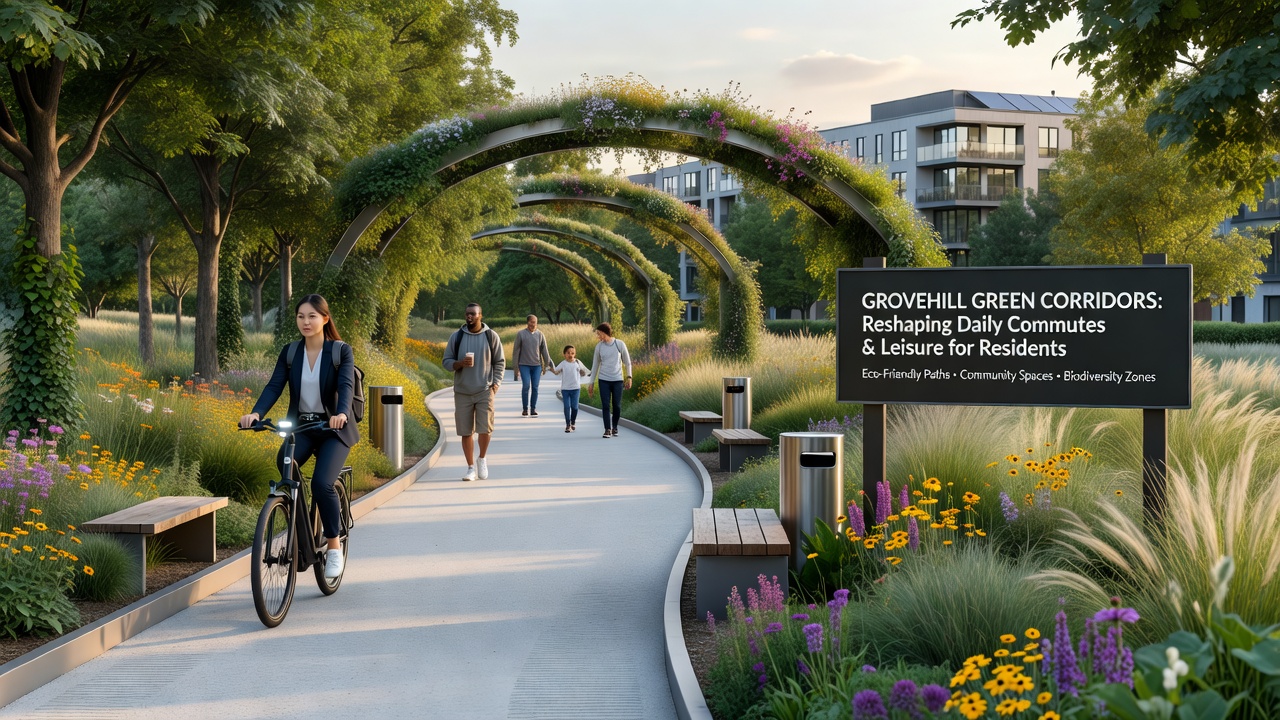
Green corridors in Grovehill consist of interconnected pathways, parks, and vegetated strips that link neighborhoods to workplaces and recreational sites, and these networks have expanded steadily since initial planning phases began several years ago. Data collected by local transportation departments show increased usage of these routes for both work-related travel and weekend activities, while surveys conducted among residents indicate shifts away from vehicle dependency in certain districts.
Development Timeline and Infrastructure Details
Construction crews completed major segments of the corridors by late 2025, and planners added new bike lanes plus pedestrian bridges during the summer months that followed. In September 2026 additional trail extensions opened near the eastern boundary, connecting previously isolated housing clusters directly to the central business area. These additions incorporated native plant species selected for their ability to manage stormwater runoff, and engineers integrated lighting systems powered by solar panels along the primary routes.
Observers note that total corridor length now exceeds twelve miles, and mapping records confirm connections between five distinct neighborhoods. Maintenance teams handle regular upkeep through a dedicated municipal budget line, while volunteer groups assist with seasonal planting efforts coordinated by the parks department.
Changes in Daily Commute Options
Residents who previously drove short distances now choose walking or cycling along the corridors during favorable weather, and traffic count data from September 2026 reveal a measurable drop in single-occupancy vehicle trips on parallel streets. Local employers report that some staff arrive via these paths, which reduces parking demand at office complexes during peak hours. Cyclists benefit from separated lanes that minimize conflicts with motor traffic, and pedestrian crossings include raised platforms that slow vehicle speeds at key intersections.
One study conducted by transportation researchers at a nearby university tracked commute times before and after corridor improvements, and results indicated average travel durations remained comparable for many users while physical activity levels rose. Public transit stops situated along corridor edges allow seamless transfers for those combining modes, and real-time apps provide updates on path conditions during maintenance periods.
Leisure Activities and Community Use
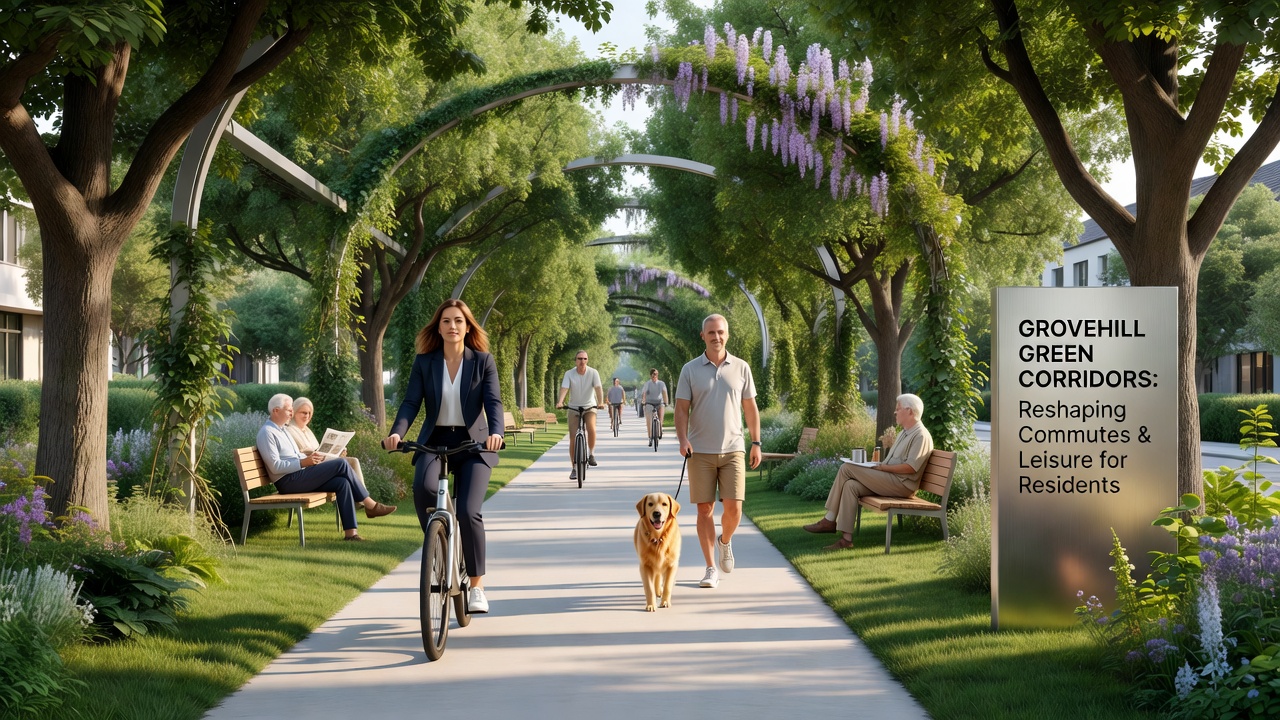
Families gather along the corridors for evening strolls, and organized group walks occur several times each week under guidance from community centers. Birdwatching enthusiasts document sightings of local species that thrive in the planted buffers, while fitness groups utilize exercise stations installed at regular intervals. Children ride bikes on dedicated loops during weekends, and seniors access flat sections equipped with benches for rest stops.
Event organizers schedule seasonal festivals within corridor-adjacent parks, and attendance figures from the most recent autumn gathering exceeded prior years according to parks and recreation logs. Picnic areas equipped with tables accommodate informal gatherings, and educational signage along the routes informs visitors about local ecology and trail etiquette.
Environmental and Health Metrics
Air quality monitoring stations positioned near corridor entrances record lower particulate levels compared to nearby commercial zones, and vegetation studies attribute some improvement to the expanded tree canopy. Wildlife corridors allow safe passage for small mammals and pollinators, which supports biodiversity goals outlined in regional planning documents. Exercise data shared by health agencies show correlations between corridor access and increased physical activity among nearby households, while researchers from the European Environment Agency have published parallel findings on similar urban green networks in other cities.
Stormwater management systems integrated into the corridors reduce flooding incidents during heavy rains, and soil samples indicate improved infiltration rates where permeable surfaces were installed. These outcomes align with guidelines from the U.S. Environmental Protection Agency on green infrastructure practices that address urban runoff challenges.
Conclusion
Grovehill continues to refine its corridor network based on usage statistics and resident feedback collected through ongoing surveys, and future phases include plans for additional lighting upgrades plus native species diversification. The existing infrastructure already demonstrates measurable effects on travel choices and recreational patterns, with data sets updated quarterly to track ongoing developments across the system.